Verify Geometry. Understand Material Performance.
At i3D, inspection and materials testing support quality throughout manufacturing – from incoming powder through finished components. Our capabilities combine dimensional measurement, internal inspection, and laboratory testing to support process qualification, witness testing, and production verification.
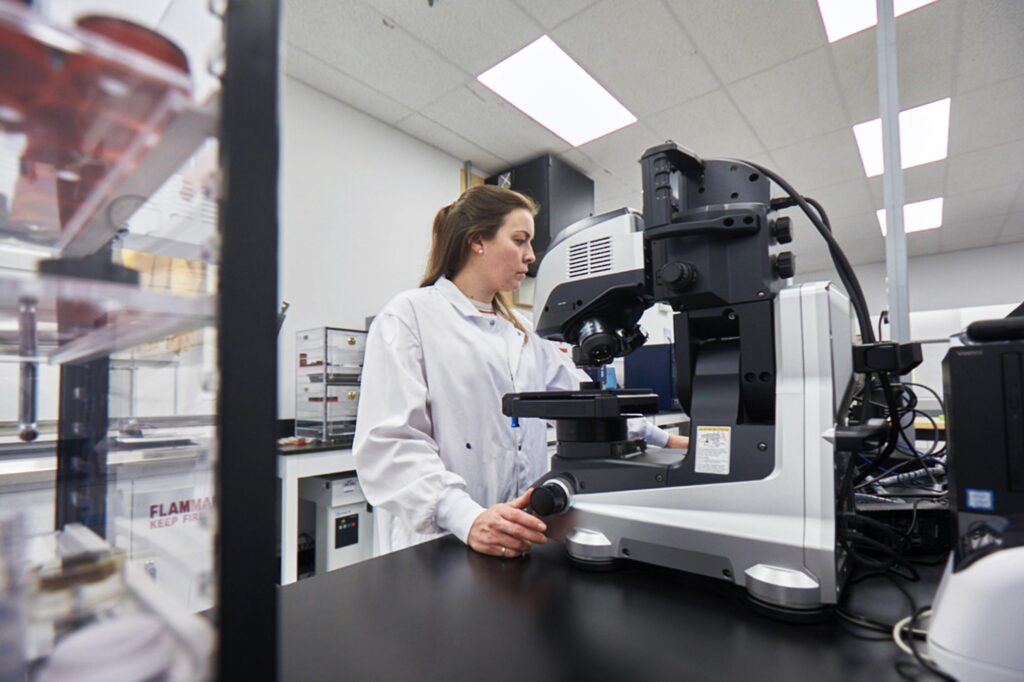
Materials Testing Laboratory
Our Canadian operation’s ISO/IEC 17025-accredited laboratory supports material verification from raw powder through finished parts. Testing connects material characteristics with process development and quality assurance.
Powder Testing
- Chemistry analysis for oxygen, nitrogen, hydrogen, carbon, and sulfur
- Inductively coupled plasma spectroscopy
- Particle size distribution
- Hall and Carney flow testing
- Apparent and tap density
Mechanical & Physical Testing
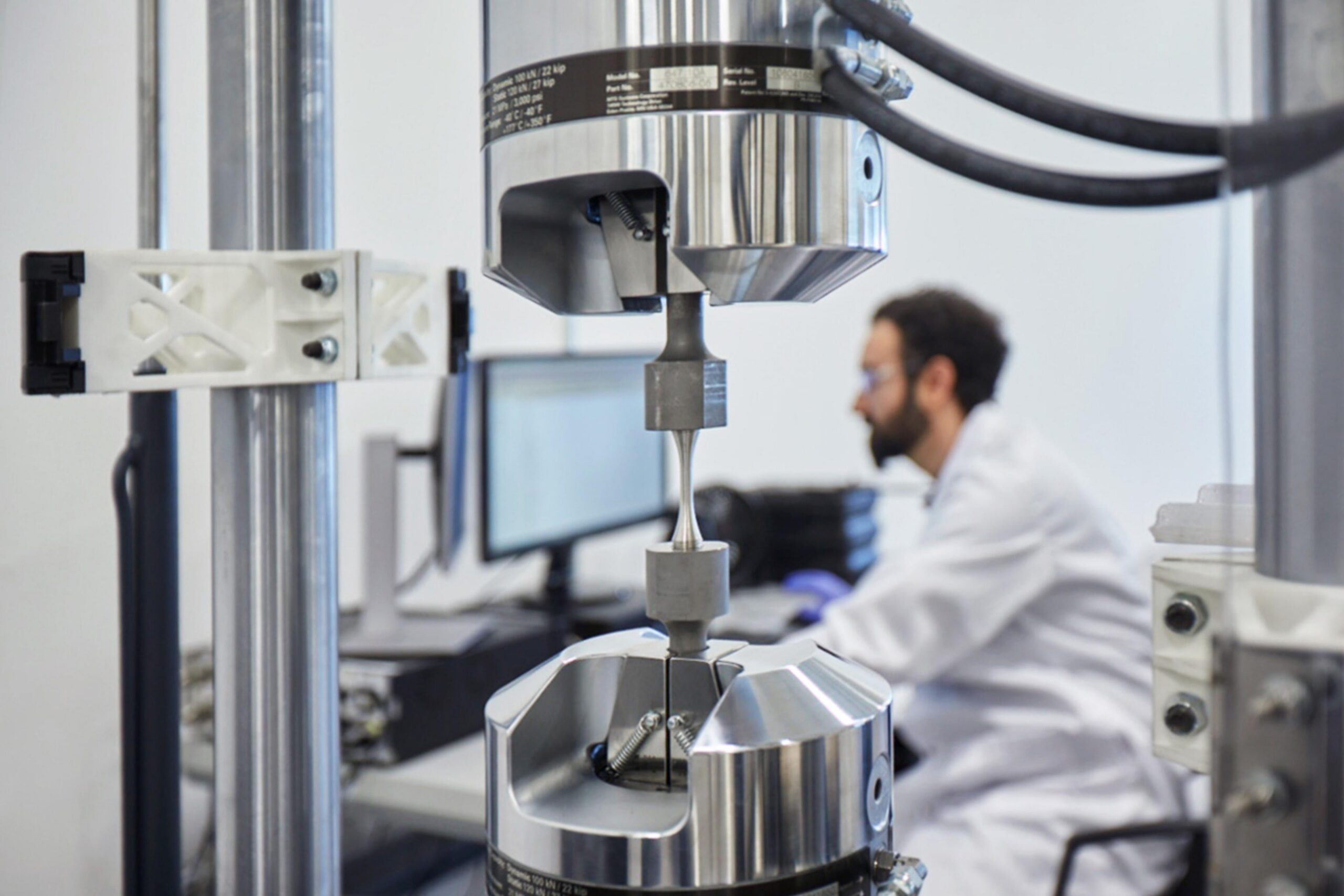
- Tensile testing
- Fatigue testing
- Rockwell hardness
- Density measurement using the Archimedes method
Metallography & Microstructure
- Microstructural inspection
- Porosity analysis
- Grain-size evaluation
- Alpha case measurements
NDT & Metrology
- CT scanning (micro-computed tomography)
- CMM (coordinate measuring machines)
- 3D scanning
- Manual inspection
Process Control & Traceability
Inspection and testing are coordinated with incoming material verification, in-process monitoring, and final documentation. This approach helps connect production results with customer requirements and provides feedback for continued process improvement.
Applications Across Industries
Whether it’s a lightweight aerospace bracket, a conformally cooled mold insert, or a custom heat resistant sink, our additive manufacturing capabilities have you covered at every layer.
Aerospace
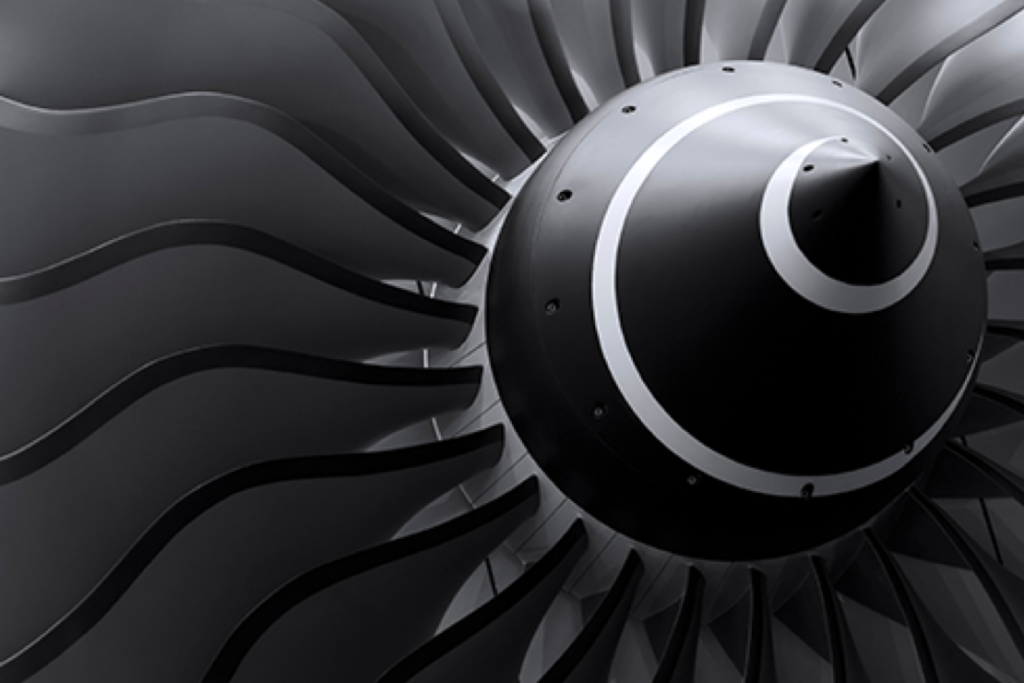
By harnessing topology optimization and aerospace-grade alloys, we deliver components with superior performance and reduced lead times—empowering faster iteration and safer flight.

Defense
Our metal 3D printing solutions deliver ruggedized enclosures, precision mounts, and mission-critical hardware with full ITAR compliance. With AS9100D-certified processes and FFL licensing, we ensure traceability, security, and unwavering reliability for defense applications.

Energy
Our additive-manufactured valve bodies, heat exchangers, and custom manifolds use nickel and stainless-steel alloys to deliver long service life, optimized fluid dynamics, and on-demand production scalability.

Space
We print ultra-lightweight structures and high-temperature alloys—designed for the vacuum, thermal cycling, and radiation of spaceflight. Our precision builds enable complex geometries for propulsion, thermal control, and structural systems on satellites and launch vehicles.
Semi-Conductor
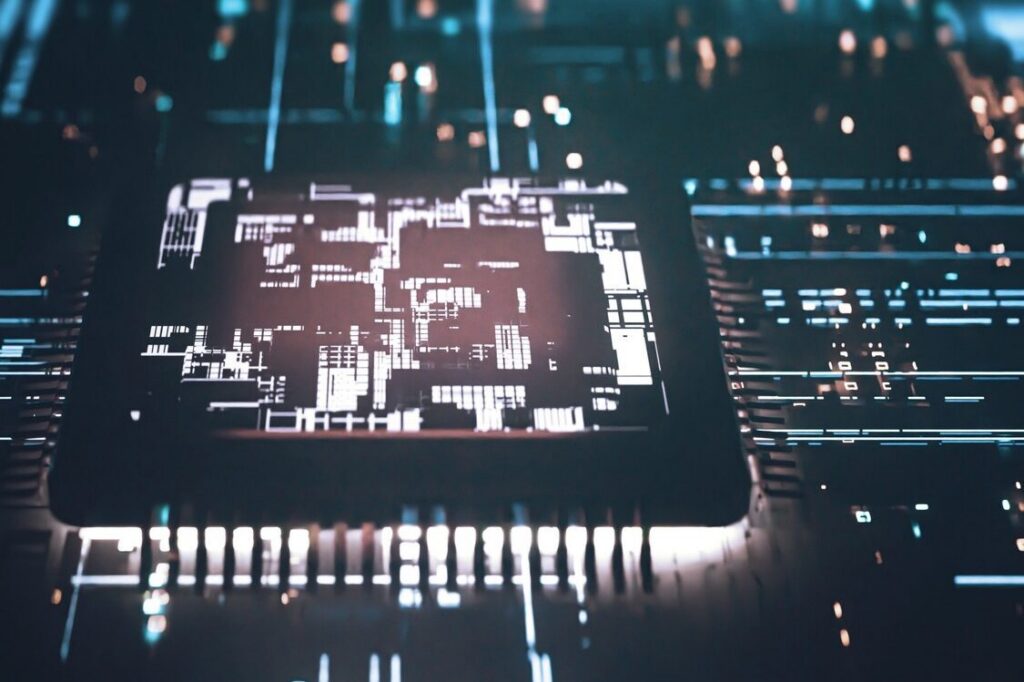
Precision thermal and fluid-management components – from intricate heat sinks and cold plates to integrated manifolds – supporting rapid development and scalable production for demanding semiconductor and data center applications.
Medical
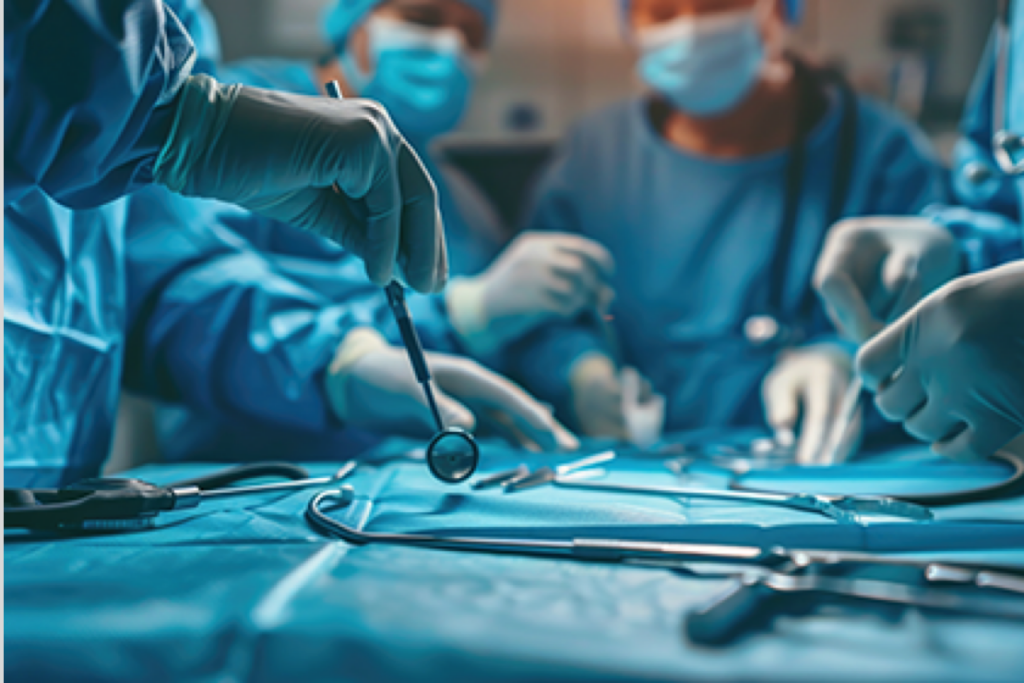
Patient safety drives every step of our medical applications. From biocompatible titanium implants to custom surgical guides, we produce parts with fine detail, smooth finishes, and exacting tolerances.
Capability Constraints
At i3D, we help customers navigate the unique constraints of DMLS by providing the insight needed to make informed design decisions. By understanding these limitations early, we empower our partners to unlock the full potential of additive manufacturing.
1. Support Structures and Build Orientation
- Complex geometries often require support structures during printing, especially for overhangs greater than ~45°.
- Support removal can impact surface finish and increase post-processing time.
- As-printed surfaces typically have a rough finish (Ra 8–20 µm), depending on the material and build parameters.
- Additional post-processing such as machining, polishing, or shot peening is often required to meet tight surface specifications.
2. Part Size Limitations
- Build volumes are restricted by the printer model (e.g., max ~400 × 400 × 400 mm)
- Larger parts may require segmentation and assembly after printing.
3. Material Availability
- DMLS supports a wide range of metals, but not all alloys can be printed.
- Material properties may vary from wrought equivalents, and custom alloy qualification can be time-consuming and costly.
4. Thermal Stress and Warping
- Rapid heating and cooling can cause residual stresses, distortion, or cracking—especially in thin-walled or large parts.
- Proper design for additive manufacturing (DfAM) and simulation helps mitigate these risks.
5. Cost Considerations
- While DMLS reduces tooling and enables complex parts, the cost per part may be higher than traditional manufacturing for large production volumes.
- Best suited for low- to mid-volume production, high-complexity parts, or parts where performance justifies the cost.
6. Powder Handling and Safety
- Metal powders require controlled handling environments due to flammability and inhalation risks.
- i3D follows strict safety and quality protocols for powder storage, reuse, and disposal.